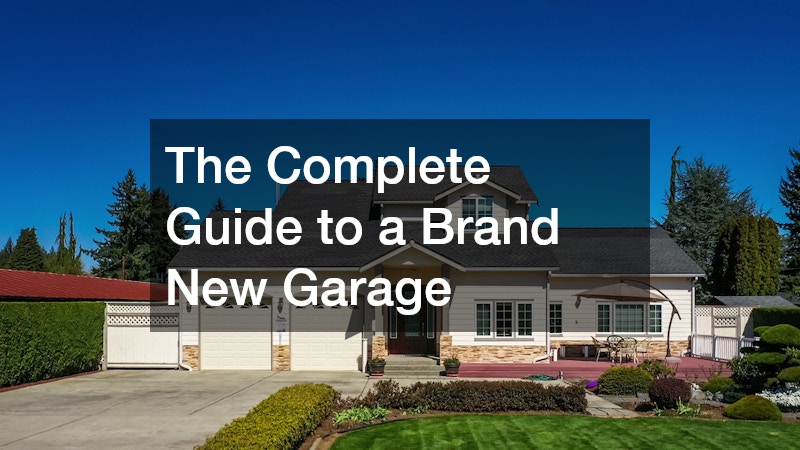
A brand new garage can add much more than covered parking. Constructing a garage can be an exciting opportunity to enhance your home’s functionality and overall aesthetic. Not only does a garage provide a safe and sheltered spot for vehicles, shielding them from the elements, but it also offers a world of benefits beyond just parking. It can dramatically improve storage capabilities, offering space to neatly store tools, seasonal items, and other belongings that may otherwise clutter your home. Additionally, a thoughtfully designed garage can protect vehicles from weather damage, theft, and vandalism.
Furthermore, investing in a well-designed garage can significantly boost curb appeal, contributing to a more appealing facade of your home that can potentially increase property value. Beyond aesthetics, a garage can streamline daily life; for instance, it provides a convenient transition from outdoors to indoors, making everyday routines more efficient, particularly during inclement weather when loading and unloading can be a hassle. However, to fully realize these benefits, it is crucial to make smart decisions during the planning phase of the project. Without careful planning, even the most handsome structure from the outside can become a source of frustration. A poorly considered layout can result in a cramped space that diminishes functionality. An easily stained floor or an unreliable door system can cause practical issues and maintenance headaches over time.
Ultimately, the best garage is not merely one that fits your budget constraints; it must also align with how you actually live and how your family will use the space. By focusing on long-term suitability and daily functionality during planning, you can create a garage that not only serves as a practical, protective space for your vehicles but also enriches your home’s overall function and appeal.
Start With A Clear Plan For Daily Use
The first question to answer is simple: what will this garage need to do every day? For some households, it is just for parking. For others, it also needs to hold tools, bikes, seasonal storage, lawn equipment, or a workbench.
Your answer shapes every other decision. A simple setup may only need room for vehicles and a little wall storage. A more flexible space needs extra walking room, stronger lighting, and better layout planning from the start.
This is also where the door decision begins. A standard garage door may work well for basic use, but households with larger vehicles or constant in-and-out traffic may need to think more carefully. A residential garage door should be chosen for everyday practicality, not just curb appeal.
As you plan, think about:
- How many vehicles need to fit
- Whether you need storage along the walls
- If the space will double as a work area
- How much room you want around parked vehicles
- Whether your needs may change in a few years
A quick sketch or taped floor mock-up can help you catch tight spots before they become expensive mistakes.
Choose The Right Size And Layout Early
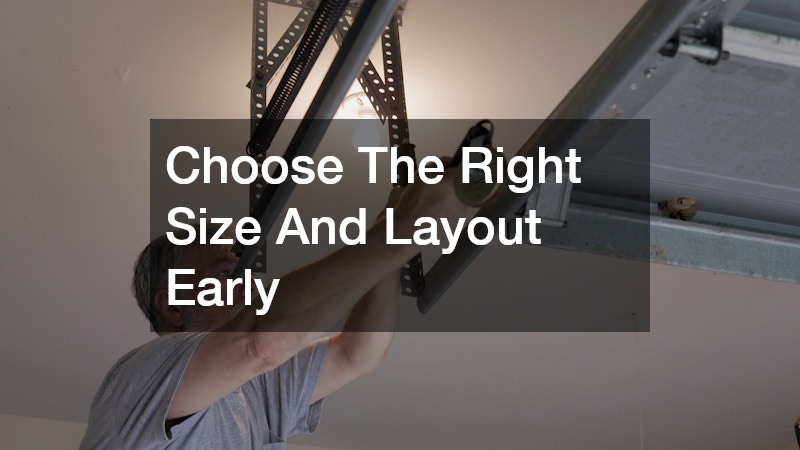
A garage that is too small becomes annoying fast. Car doors hit walls, shelves crowd vehicles, and storage spills into places it should not. That is why size deserves more attention than many homeowners give it.
If you want a structure with flexibility, a custom metal garage may be worth considering. It can offer strong durability and layouts that work well for extra width, taller clearance, or combined parking and workshop use.
You also need to think about how the entry system affects the interior. An overhead garage door is efficient and popular, but it takes up ceiling space. That matters if you want hanging storage, brighter lighting, or a cleaner overhead layout.
Important layout considerations include:
- Vehicle width with doors open
- Space behind cars for storage or walking
- Ceiling height for racks or tools
- Clearance for shelving
- Drainage and slab slope
Try to plan for future needs, not just current ones. A garage that barely works now will feel too small even faster later.
Get The Entry System Right The First Time
A garage entry system is easy to overlook until it starts causing problems. Poor installation can lead to noise, reliability issues, drafts, and faster wear. That is why garage door installation is not a place to cut corners.
A qualified local garage door installer can help match the right door, hardware, spring system, and safety features to your structure. They may also better understand local climate and code issues that affect long-term performance.
Before hiring, ask:
- How much experience do you have with new builds?
- What kind of doors do you install most often?
- What does the warranty include?
- Will you handle follow-up adjustments?
- Are insulation or wind-load upgrades worth considering?
When comparing bids, do not focus only on price. One estimate may include better hardware, stronger springs, or more complete sealing. Those details often matter more than a small upfront savings.
Pick Materials That Fit Your Climate

Door material affects maintenance, insulation, appearance, and durability. Some homeowners choose based on style first and regret it later when upkeep becomes a hassle.
A garage door can come in steel, aluminum, wood, composite, and other materials. Steel is popular because it is durable and relatively low-maintenance. Aluminum can resist rust well but may dent more easily. Wood offers character but usually needs more care. Composite can provide a balance between looks and upkeep.
If you are choosing an overhead garage door, think about how often it will be used and what kind of weather it will face. Heat, moisture, wind, and sun exposure all affect how well a material holds up.
Questions to ask include:
- Is low maintenance a priority?
- Do I need better insulation?
- Will the finish hold up in my climate?
- How much does noise matter?
- Does the style fit the house?
The best material is usually the one that balances looks with practical performance.
Do Not Ignore The Floor
The floor handles vehicles, moisture, dirt, dropped tools, and hot tires, so it deserves more thought than it often gets. Bare concrete may seem fine at first, but it can stain, collect dust, and wear down faster than many homeowners expect.
Good garage flooring improves both durability and appearance. A more finished surface can make the entire garage feel cleaner and easier to maintain.
Garage floor coating services are often worth considering because they can help protect the slab from stains, chemicals, and everyday wear. They also give the garage a more polished look than untreated concrete.
Popular flooring options include:
- Sealed concrete
- Epoxy-style coatings
- Polyaspartic or similar systems
- Interlocking tiles
- Utility mats in work areas
The best choice depends on how you will use the space. A simple parking garage may only need a protective coating, while a more active workspace may need a tougher and easier-to-clean surface.
Protect The Slab Before It Starts Wearing Out

A brand new slab is the easiest time to add protection. Once stains, tire marks, and surface wear start building up, finishing the floor becomes more complicated.
Working with a company that offers local garage floor coating can be helpful because they may better understand local temperature and moisture conditions. The best local garage floor coating providers should also explain prep work clearly, since surface preparation often determines how well a coating lasts.
Before choosing garage floor coating services, ask:
- What system do you use?
- How is the slab prepared?
- How long is the cure time?
- What warranty is included?
- What maintenance will the floor need?
Reasons to protect the slab early:
- Easier cleanup
- Less concrete dust
- Better stain resistance
- A more finished appearance
- Longer surface life
DIY kits can be tempting, but many fail because the prep work is not done well enough. In a new garage, doing it right once is usually the smarter move.
Make Everyday Access Smooth And Reliable
A garage should make life easier. That is why the opener matters. The right garage door opener affects noise, reliability, convenience, and security.
When choosing one, match it to the size and weight of the door. A heavier residential garage door may need a stronger motor and better drive system to work smoothly over time. Features like battery backup, quiet operation, keypad access, and smart controls may also be worth considering.
Things to compare:
- Motor strength
- Chain, belt, or screw drive
- Noise level
- Smartphone features
- Backup power
- Safety sensors
If bedrooms are near the garage, noise becomes a much bigger issue. A quieter opener may cost more, but it can make a real difference in daily life.
Plan For The Future, Not Just The Present
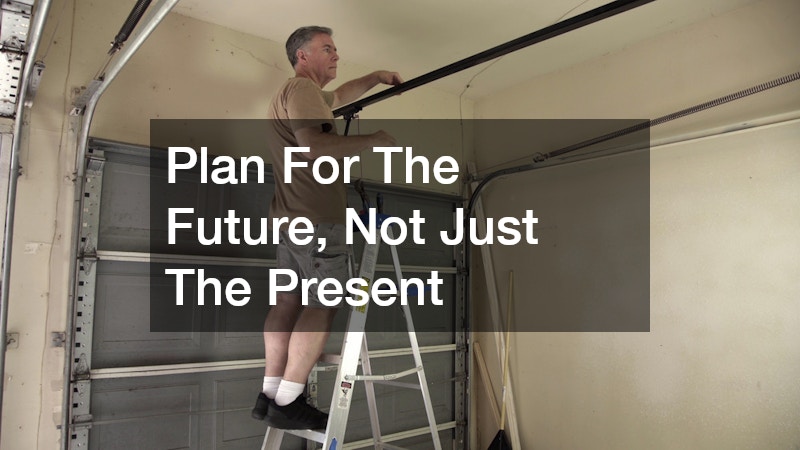
A new garage should still work well years from now. What feels roomy today may feel crowded later if you buy a different vehicle, add more storage, or start using the space as a work area.
This is one reason some homeowners choose a custom metal garage. It can provide more flexible dimensions and make it easier to build for taller equipment, wider access, or workshop needs. Even with more traditional construction, planning for change matters.
Garage flooring should also be selected with future use in mind. A floor that works for light parking may not hold up as well if the space later sees heavier equipment or more demanding use.
Future-friendly upgrades include:
- Extra outlets
- Better lighting
- Ceiling support for storage
- Space for utility items
- Reinforcement for future shelving
Planning ahead does not always mean spending more. Sometimes it just means building in the basics now so you avoid costlier changes later.
Compare Contractors And Products Carefully
Once quotes start coming in, it is easy to focus too much on price. But one lower bid may simply include lower-grade materials, less prep, or weaker labor coverage.
When working with a local garage door installer, ask for detailed estimates so you can compare what is actually included. If a garage door opener is part of the package, make sure it is properly matched to the door rather than treated like an add-on.
Compare quotes based on:
- Product specifications
- Insulation levels
- Hardware quality
- Labor coverage
- Warranty terms
- Follow-up service
Watch for red flags like vague estimates, unclear brands, or pressure to sign quickly. A good contractor should be able to explain the value behind the bid.
Finish With The Details That Improve Daily Use
The last stage of the project often gets rushed, but the finishing details make a big difference in how satisfying the garage feels. This is when small choices can improve convenience and long-term usability.
Garage door installation should be timed so sealing, trim, and access systems are completed properly. If you are planning a coated floor, coordinate with local garage floor coating professionals so the slab has time to cure and the schedule does not create conflicts.
Final details worth thinking about:
- Wall-mounted storage
- Better lighting placement
- Well-placed outlets and switches
- Hose or vacuum access
- Durable trim around entry points
These choices are easy to overlook, but they often determine whether the garage feels merely finished or truly useful.
A brand new garage has the potential to make significant, perhaps even transformative, improvements to the rhythm and quality of everyday life for years to come. However, to fully unlock these benefits, careful and thoughtful planning is essential. Building a garage should not be limited to constructing a mere shell that provides basic shelter. Instead, the process should involve considering various aspects such as the layout, accessibility, floor protection, choice of materials, and long-term adaptability. These components are crucial to ensure that the garage serves its intended purposes and accommodates changing needs over time.
By meticulously selecting and integrating these elements, the end result can be so much more than a simple parking space. It can become a reliable and functional extension of your home, seamlessly blending into everyday routines. Such a well-designed garage offers the practical benefits of additional storage and workspace while enhancing the overall value and appeal of the property. Furthermore, its usefulness transcends the initial completion, offering enduring utility and satisfaction long after the final brick is laid and the builders have departed.