
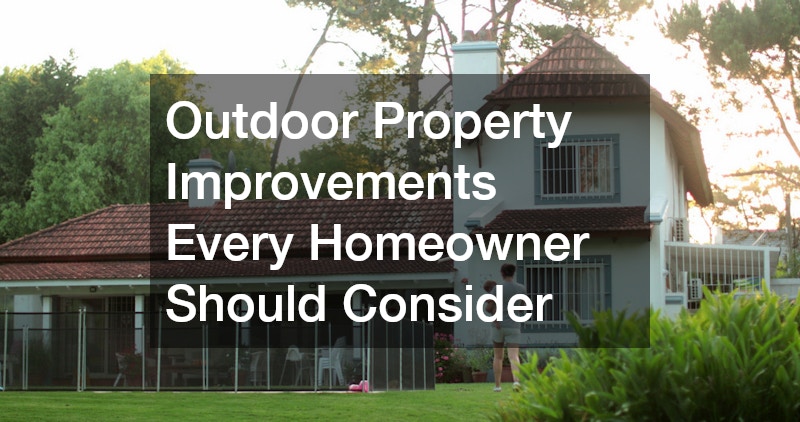
Outdoor improvements play a crucial role in how a property functions day to day. While visual appeal often motivates homeowners to invest in exterior upgrades, the long-term benefits usually come from less obvious improvements— better drainage, safer walkways, more efficient layouts, and systems that withstand weather and time.
Poorly planned outdoor upgrades can create ongoing frustration. Water may pool where it never did before. Surfaces may crack or settle unevenly. Features that once seemed useful may become difficult to maintain. These issues often arise when improvements are approached individually rather than as part of a larger outdoor system.
Homeowners benefit most when they understand how land conditions, materials, utilities, and maintenance routines interact. This article explores outdoor improvements from a practical standpoint, helping homeowners make informed decisions that support durability, safety, and long-term usability rather than short-lived results.
Planning Outdoor Projects Based on Land Conditions and Layout
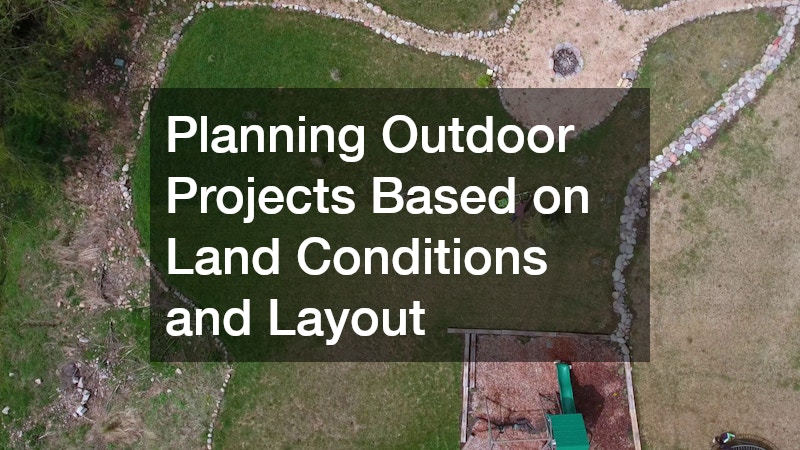
Every successful outdoor improvement begins with an understanding of the land itself. The ground beneath a yard determines how water moves, how surfaces hold up, and whether added features remain stable over time. Ignoring these factors often leads to repairs that could have been avoided with better planning.
Homeowners should start by evaluating how their property behaves in different conditions. Rainfall, seasonal temperature changes, and natural slope all affect performance. A yard that appears flat and dry in warm weather may reveal drainage issues during storms or snowmelt.
When addressing grading, trenching, or soil stabilization, many homeowners coordinate with a local site excavation company to resolve foundational issues before surface-level work begins. This step is especially important for properties with uneven terrain, compacted soil, or existing erosion problems.
Key land-related factors to evaluate:
- Areas where water collects after rainfall
- Slopes that direct runoff toward structures
- Soil consistency in high-traffic zones
- Signs of erosion near walkways or foundations
Material choices also influence how land conditions are managed. Using stone along borders, paths, or retaining areas can improve drainage and reduce erosion when placed correctly. However, homeowners should consider how materials respond to freeze-thaw cycles, moisture retention, and foot traffic.
Actionable homeowner steps:
- Walk the property during and after heavy rain.
- Map natural drainage paths.
- Address grading issues before installing features.
- Plan underground routes for utilities early.
Failing to address land conditions early often results in cracked surfaces, shifting features, and repeated maintenance expenses.
Creating Functional Outdoor Living and Recreation Spaces
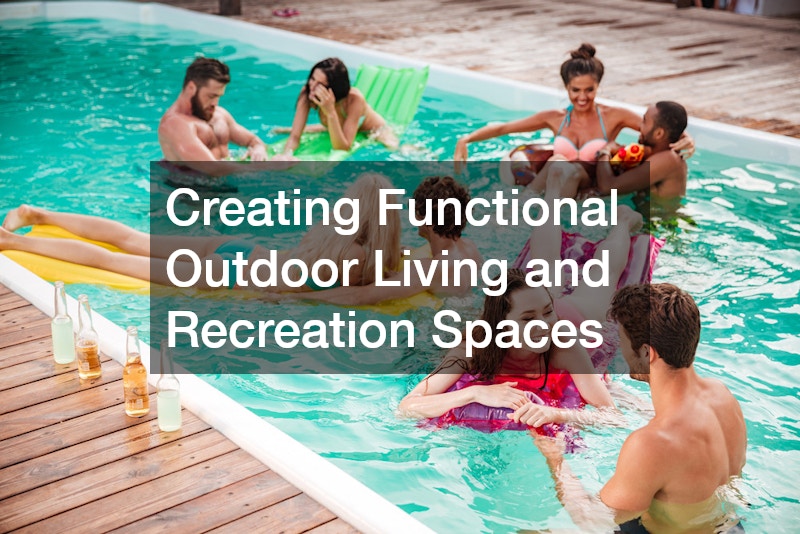
Outdoor living spaces should reflect how a household actually uses its yard. Homeowners often focus on appearance without fully considering movement patterns, safety, or long-term upkeep. A well-designed space balances comfort, accessibility, and durability.
Recreation-oriented features require especially careful planning. Traffic flow, surrounding surfaces, and access points all influence safety and usability. Without adequate spacing and preparation, these areas can become difficult to maintain or unsafe over time.
When homeowners explore water-related additions, early planning discussions often involve a custom pool builder to evaluate whether the space can safely support the desired layout. Even if construction is handled elsewhere, understanding spacing, circulation, and infrastructure needs prevents costly redesigns.
Existing installations should also be evaluated honestly. Pool repair may become necessary when homeowners notice:
- Ongoing water loss beyond evaporation
- Surface cracking, peeling, or discoloration
- Uneven surrounding areas
- Equipment struggling to maintain performance
Practical planning considerations:
- Clear walking paths around all features
- Slip-resistant materials in wet zones
- Adequate drainage to prevent pooling
- Shaded areas to reduce heat buildup
Homeowners should also plan for maintenance access for a custom pool builder. Features that are difficult to reach often receive inconsistent care, which accelerates deterioration.
Budgeting realistically is essential. Initial installation costs represent only part of the long-term investment. Seasonal preparation, routine maintenance, and eventual repairs should all be anticipated.
Maintaining Clean, Safe, and Usable Outdoor Surfaces
Outdoor surfaces support daily activity, manage water flow, and contribute significantly to safety. Over time, exposure to weather, organic growth, and foot traffic causes deterioration that must be managed proactively.
Routine cleaning is one of the most effective ways to extend surface lifespan. Many homeowners rely on pressure washing to remove buildup from patios, walkways, and driveways. Removing algae, mildew, and grime not only improves appearance but also reduces slip hazards.
Beyond cleanliness, structural integrity matters. Cracks, sinking, or uneven areas often indicate issues beneath the surface. When evaluating repairs or replacements, homeowners often compare materials and installation practices associated with a paving company to understand longevity and performance differences.
Best practices for surface care:
- Inspect surfaces seasonally for damage.
- Clean before sealing or repairing.
- Address small cracks promptly.
- Keep joints free of debris.
Safety-focused considerations:
- Repair trip hazards immediately.
- Improve traction in shaded areas.
- Avoid uneven patch repairs.
- Ensure proper slope for drainage.
Homeowners who view surfaces as functional systems rather than decorative elements tend to experience fewer long-term issues.
Supporting Outdoor Comfort Through Systems and Utilities
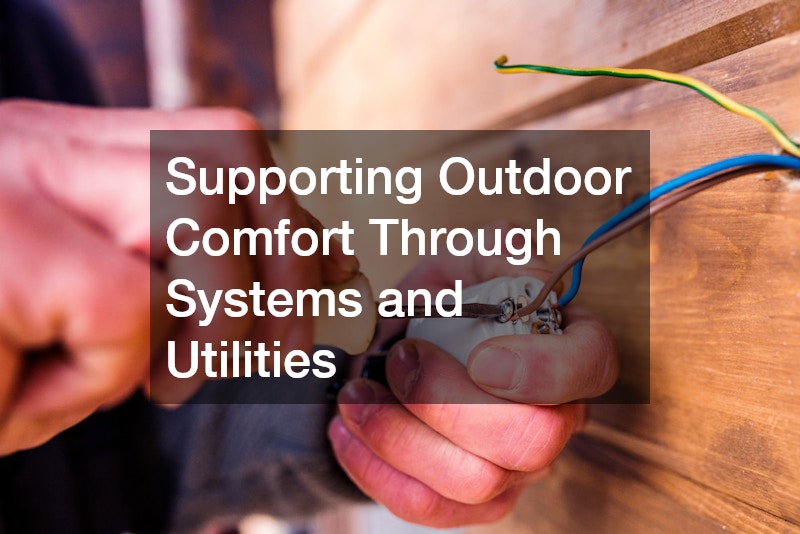
Comfort determines whether outdoor spaces are used consistently or avoided. Lighting, power access, and temperature control all contribute to how functional an outdoor area feels throughout the year.
Electrical needs often expand over time. As homeowners add lighting, equipment, or entertainment features, capacity and safety become critical concerns. Consulting a certified electrician during planning helps ensure systems are designed for outdoor conditions and future expansion.
Temperature control is another key factor. Integrating heating services can make outdoor spaces usable beyond warm months, especially in transitional seasons. Proper placement and planning ensure consistent warmth without wasted energy.
Utility planning tips:
- Use outdoor-rated fixtures and wiring.
- Layer lighting for safety and usability.
- Ensure heating coverage is evenly distributed.
- Avoid overloading existing circuits.
Efficiency and safety measures:
- Install ground-fault protection where required.
- Schedule regular inspections.
- Use timers or smart controls.
- Shield exposed components from moisture.
Thoughtful utility planning reduces disruptions and improves year-round comfort.
Protecting the Property With Smart Exterior Maintenance
Outdoor improvements should help protect the home, not create additional vulnerabilities. Vegetation management, surface upkeep, and overhead protection all influence how well a property withstands environmental stress.
Consistent lawn care programs help control growth that can interfere with drainage, conceal damage, or contribute to moisture retention near structures.
Overhead protection is equally important. Well-maintained roofing services support outdoor improvements by directing water away from surfaces below and reducing debris accumulation.
Preventive actions homeowners can take:
- Trim vegetation away from structures.
- Monitor runoff after storms.
- Remove debris regularly.
- Inspect exterior elements seasonally.
Warning signs:
- Persistent damp areas
- Overflowing drainage systems
- Plant growth contacting structures
- Water staining on exterior surfaces
Coordinated exterior maintenance allows homeowners to address small issues before they escalate
Coordinating Improvements to Avoid Costly Rework
Many outdoor issues that frustrate homeowners are not caused by poor materials or low-quality workmanship, but by doing the right work in the wrong order. When outdoor improvements are approached as isolated projects rather than as parts of a larger system, conflicts between elements become almost inevitable. These conflicts often result in tearing out recently completed work, paying twice for labor, or settling for compromises that reduce usability.
Sequencing matters because most outdoor features rely on shared infrastructure. Drainage paths, underground utilities, surface grades, and access routes all intersect. When one element is installed without accounting for the others, it can block future improvements or force expensive retrofits.
Homeowners benefit significantly from developing a long-term outdoor plan before beginning major upgrades. This does not require finalizing every detail upfront, but it does mean thinking several steps ahead. A basic roadmap that outlines intended features, approximate locations, and timing priorities helps prevent short-term decisions from undermining long-term goals.
A well-considered plan should:
- Identify which areas of the property are likely to change over time.
- Account for future expansion or upgrades, even if they are years away.
- Clarify which improvements depend on others being completed first.
- Highlight shared systems such as drainage, power, or access paths.
This forward-thinking approach reduces conflicts between features and allows homeowners to pace improvements without creating obstacles for later work
Coordination strategies include:
Completing underground work before installing surfaces
Anything that runs beneath the ground— such as drainage components, conduits, or structural footings— should be addressed before patios, walkways, or driveways are finished. Cutting into completed surfaces to add underground elements is one of the most common and costly forms of rework. Even if underground systems are not installed immediately, planning and rough-in preparation can save significant expense later.
Addressing drainage issues before adding structures
Water movement affects everything outdoors. If drainage problems are not resolved first, new features may exacerbate existing issues or create new ones. Structures added without considering runoff can trap water, redirect it toward the home, or accelerate erosion. Solving drainage challenges early provides a stable foundation for all subsequent improvements.
Installing utilities before finishing features
Outdoor lighting, power access, and climate-related systems are easiest to install before final surfaces and finishes are in place. Running wiring or mounting components after surfaces are completed often results in visible conduits, compromised aesthetics, or unnecessary surface damage. Even when utilities are not installed immediately, planning their routes prevents conflicts later.
Leaving access points for future maintenance
Every outdoor system requires maintenance at some point. When features are installed too tightly or without access considerations, routine upkeep becomes difficult or destructive. Thoughtful planning includes leaving removable sections, access panels, or clear paths that allow future work without dismantling surrounding elements.
Documentation also plays a critical role in coordination. Many homeowners underestimate the value of keeping clear records of what was installed, where it was placed, and how it was constructed. Over time, memories fade, and assumptions replace facts. When repairs, upgrades, or inspections are needed years later, documentation prevents guesswork and unnecessary exploratory work.
Useful records to maintain include:
- Layout sketches or plans showing underground and surface elements
- Notes on materials used and installation dates
- Photos taken during installation stages, especially before surfaces were covered
- Maintenance schedules and past repair details
By coordinating improvements thoughtfully and maintaining accurate records, homeowners retain flexibility. Instead of feeling locked into past decisions, they gain the ability to adapt their outdoor spaces over time without undoing previous work. This approach not only saves money but also reduces disruption and frustration as outdoor needs evolve.
Budgeting and Scheduling Outdoor Improvements Strategically
Outdoor improvements rarely happen all at once. Most homeowners complete upgrades over multiple seasons or years, either to spread costs or to accommodate changing needs. Without a clear budgeting and scheduling strategy, however, progress can stall, costs can escalate, and earlier work can be compromised by later decisions. Strategic planning helps homeowners move forward steadily while protecting both their investment and the quality of the finished result.
Effective budgeting starts with understanding that outdoor improvements are not just one-time expenses. They introduce ongoing obligations related to upkeep, repair, and eventual replacement. Treating outdoor projects as long-term investments rather than isolated purchases helps homeowners make decisions that hold up over time.
Budgeting tips:
Prioritize safety and structure
Safety-related and structural improvements should always come first. Issues such as unstable surfaces, poor drainage, or failing support elements can affect every other outdoor feature. Allocating funds to these essentials early prevents minor concerns from turning into major repairs later. A visually appealing upgrade offers little value if underlying conditions make it unsafe or short-lived.
Account for maintenance costs
Every outdoor improvement carries ongoing maintenance requirements. Surfaces need cleaning, systems need inspections, and materials wear over time. Homeowners should estimate these recurring costs before committing to an upgrade. Factoring maintenance into the budget helps prevent future financial strain and ensures improvements remain functional rather than deteriorating due to neglect.
Avoid temporary fixes
Short-term solutions may seem cost-effective, but they often lead to repeated spending and additional disruption. Temporary repairs can interfere with future work or fail prematurely, requiring replacement sooner than expected. When possible, homeowners should invest in durable solutions that align with long-term plans rather than settling for fixes that delay inevitable work.
Include contingency funds
Unexpected issues are common in outdoor projects, especially when dealing with existing conditions that may not be fully visible at the outset. Soil instability, hidden drainage problems, or material price fluctuations can all affect costs. Setting aside contingency funds allows homeowners to address these challenges without derailing the entire project or cutting corners elsewhere.
Scheduling considerations:
Plan weather-sensitive work carefully
Many outdoor tasks depend on temperature, moisture levels, and seasonal conditions. Pouring surfaces, installing finishes, or performing structural work during unfavorable weather can compromise durability. Homeowners should plan these tasks during appropriate seasons to ensure materials perform as intended and installations last.
Allow curing and settling time.
Materials such as concrete, soil, and certain finishes require time to cure, settle, or stabilize. Rushing subsequent phases before this process is complete can lead to cracking, shifting, or uneven results. Building adequate waiting periods into the schedule helps protect earlier investments and reduces the likelihood of repairs.
Coordinate phases efficiently
Breaking a large project into phases makes it more manageable, but those phases must be logically sequenced. Each phase should prepare the way for the next rather than create obstacles. Coordinated scheduling minimizes downtime, reduces repeat work, and allows homeowners to see consistent progress.
Outdoor property improvements are most successful when treated as interconnected systems rather than isolated projects. Each decision— from land preparation to surface care and utility planning— affects how the entire property performs over time.