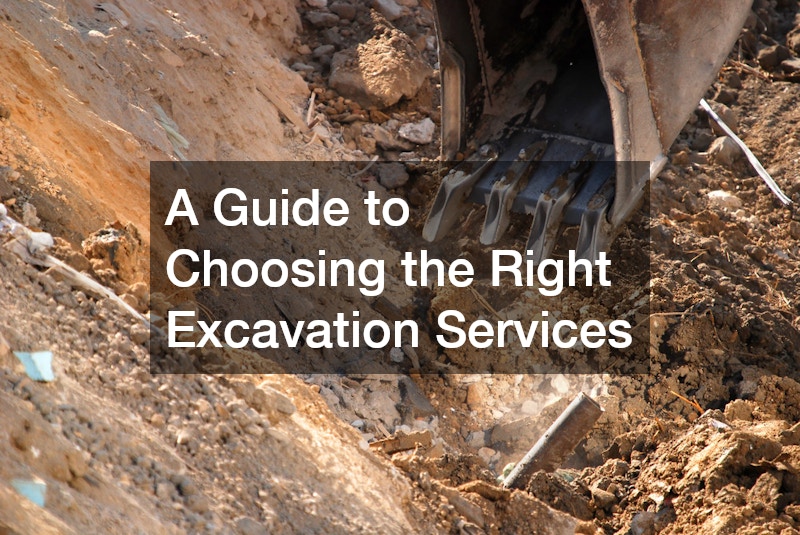
Excavation is a foundational step in many construction and development projects, influencing everything from structural stability to drainage and long-term performance. Whether you are preparing land for a new building, installing utilities, or completing site grading, the quality of the excavation work matters. With many excavating companies offering a wide range of services, choosing the right provider can feel overwhelming. Understanding what to look for, what questions to ask, and how to evaluate experience can help ensure your project starts on solid ground and progresses smoothly.
Assessing Experience, Capabilities, and Services
One of the first factors to consider when evaluating excavation services is experience. Projects vary widely in complexity, from simple trenching to large-scale site preparation involving challenging soil conditions or tight access areas. Look for providers with a proven track record in projects similar to yours. Experienced excavating companies are more likely to anticipate potential challenges and apply proven solutions rather than relying on trial and error.
Capabilities and service offerings are equally important. Some contractors specialize in residential excavation, while others focus on commercial or industrial work. Make sure the company you choose offers the specific services you need, such as grading, foundation excavation, utility installation, drainage work, or land clearing. Having a single contractor handle multiple aspects of excavation can simplify coordination and reduce delays.
Equipment quality is another key indicator of capability. Modern, well-maintained machinery allows for more precise work and improved safety. A professional provider should be willing to explain how their equipment is suited to your project and how it will be used to achieve accurate results.
Evaluating Safety, Compliance, and Professionalism
Excavation involves inherent risks, making safety a top priority. A reliable contractor should have clear safety procedures in place and a strong safety record. Ask about training programs, on-site safety practices, and how hazards such as underground utilities or unstable soil are managed. Professional excavating companies understand that a safe job site protects not only workers but also property owners and surrounding structures.
Compliance with local regulations is another critical consideration. Excavation work often requires permits and must adhere to building codes, environmental guidelines, and zoning requirements. Contractors familiar with local regulations can help prevent costly fines or project delays. Their knowledge can also be valuable when working near protected areas, waterways, or existing infrastructure.
Professionalism extends beyond safety and compliance. Clear communication, detailed proposals, and realistic timelines are signs of a well-run operation. A trustworthy contractor should provide written estimates that outline the scope of work, costs, and expected completion dates. Transparency at this stage helps set expectations and reduces the likelihood of misunderstandings later in the project.
Comparing Costs, Value, and Long-Term Results
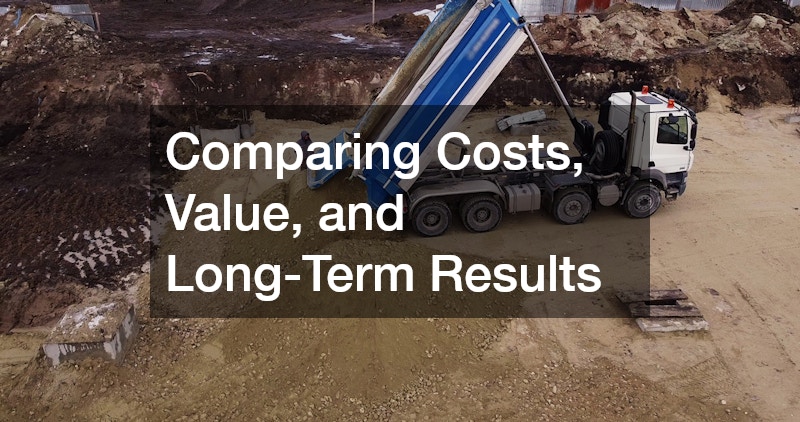
Cost is an important factor, but it should not be the only one. While it may be tempting to choose the lowest bid, extremely low prices can be a red flag for inexperience, inadequate equipment, or shortcuts that compromise quality. Instead, focus on overall value. A slightly higher investment in skilled excavation services can prevent expensive repairs or adjustments in the future.
When comparing quotes, consider what is included. Some estimates may cover only basic excavation, while others include grading, cleanup, or coordination with other contractors. Understanding these details allows you to make accurate comparisons between excavating companies and avoid unexpected charges.
Long-term results should also guide your decision. Proper excavation lays the groundwork for stable foundations, effective drainage, and durable infrastructure. Poorly executed work can lead to settling, erosion, or water issues that appear months or even years later. Choosing a contractor who prioritizes precision and quality helps protect your investment over time.
It is also worth considering reputation and references. Reviews, testimonials, and recommendations from past clients can provide insight into reliability and workmanship. Established excavating companies often rely on repeat business and referrals, which can be a strong indicator of consistent performance.
Selecting the right excavation services requires careful evaluation, but the effort pays off. By focusing on experience, safety, professionalism, and long-term value, you can confidently choose a contractor who supports the success of your project from the ground up.