What are the visible signs of roof damage?
Missing or cracked shingles
Shingles are designed to protect your roof from the elements, and missing or cracked shingles compromise this protection. If you notice patches where shingles are absent or damaged, it’s a typical indication of roof wear and tear.
Cracked shingles can allow water to infiltrate your roof, leading to further deterioration and possibly voiding any existing warranties. Over time, this can lead to significant structural damage, necessitating complete roof replacement.
To mitigate risks, it’s essential to conduct regular inspections and address any missing or cracked shingles immediately. Ignoring these signs might turn a minor repair into a costly replacement.
Water stains on the ceiling
Water stains on your ceiling are a tell-tale sign of a leaking roof. Such leaks can often go unnoticed until they cause extensive damage, compromising the structural integrity of your home.
In warm, humid environments, these leaks can promote mold growth, aggravating health issues for residents. Addressing roof leaks promptly can prevent further damage and lessen repair costs.
If you observe discolored patches on your ceiling, it may indicate a roof leak. It is crucial to have a professional assess the condition of your roof to determine if replacement is necessary.
How does roof age affect the necessity for replacement?
Typical roof lifespan
Roofing materials have varying lifespans, impacting when a replacement should be considered. For example, asphalt shingles often last 20 to 25 years, while metal roofs can last over 50 years. Additionally, clay tiles and slate roofing can sometimes last beyond a century if properly maintained. Considering these materials is crucial for long-term planning in both residential and commercial settings.
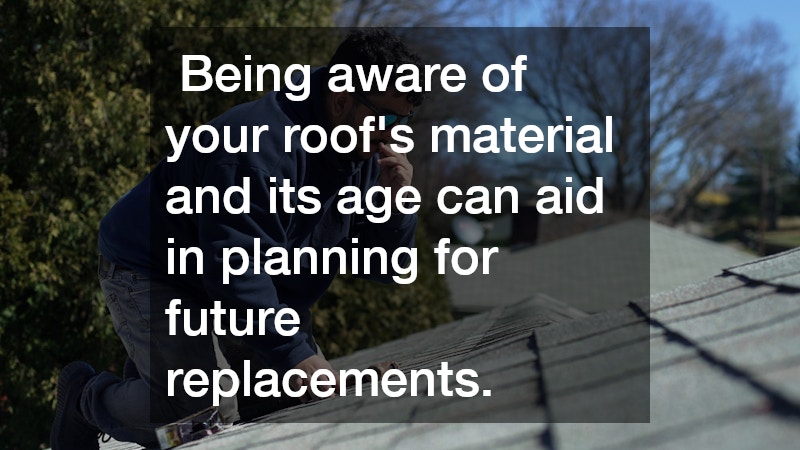
Being aware of your roof’s material and its age can aid in planning for future replacements. Regular inspections can help gauge the longevity and performance of your current roofing system. Moreover, professional assessments can uncover hidden damage early.
Failing to replace a roof at the end of its lifecycle can lead to severe issues. Therefore, understanding the expected lifespan of roofing materials is essential for proactive maintenance. This knowledge helps in budgeting and avoiding unexpected repair costs.
Effects of aging on roof performance
As roofs age, they are more susceptible to damage from environmental factors like sun, wind, and rain. This wear and tear can reduce their effectiveness in protecting your home.
Aging can result in leaks, decreased insulation, and higher energy bills. Detecting these issues early through regular maintenance can prolong the lifespan of your roof.
Regular check-ups can identify aging signs in roofs, allowing homeowners to make informed decisions about roof replacements. Investing time in understanding these signs can save on future repair costs.
Why is immediate action important for roof repairs?
Preventing further damage
Immediate roof repairs can halt additional damage before it becomes more severe. Small issues, if addressed promptly, can prevent them from escalating into major complications.
More serious issues can result in the need for extensive repairs or total roof replacement if left unaddressed. Addressing repairs promptly can save time and costs in the long run.
To prevent larger issues, homeowners should maintain consistent roof inspections and rectify damages immediately. This proactive approach ensures longevity and durability of the roofing system.
Cost implications of delaying replacement
Postponing necessary roof replacements can lead to increased costs. Damaged roofs may lead to structural issues, resulting in more expensive repairs than an initial replacement would incur.
Additionally, delaying replacements can result in increased energy bills as an aging roof may not insulate your home efficiently. This inefficiency further raises the living costs in an already failing home structure.
Considering the long-term financial benefits, prompt action on both repairs and replacements reduces potential repair costs. Homeowners are urged to avoid delaying necessary interventions to save on future expenses.