
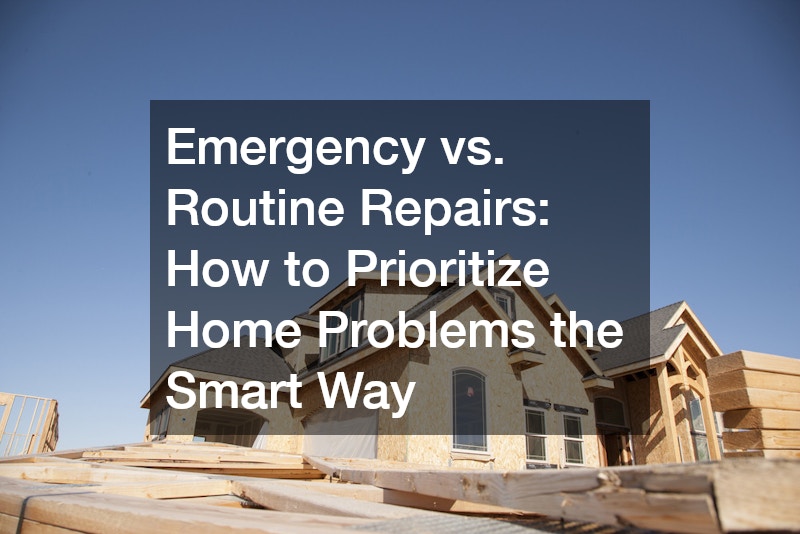
Homeownership comes with an ongoing list of responsibilities, and repairs are an unavoidable part of maintaining a safe and functional living space. Some problems appear suddenly and demand immediate attention, while others develop slowly and can be addressed through routine maintenance. Knowing the difference between urgent repairs and routine improvements helps homeowners manage their time and resources effectively. When repairs are prioritized properly, households can prevent small problems from escalating into more serious structural or safety concerns.
Evaluating Outdoor Surfaces and Structural Landscaping Needs
Outdoor surfaces such as patios, walkways, and retaining walls play an important role in the safety and functionality of a property. When these structures begin to deteriorate, homeowners must determine whether the issue requires immediate attention or can be addressed during routine maintenance. Small cracks or minor settling may not pose an urgent threat, but larger structural shifts or unstable surfaces can create safety hazards that should be addressed quickly. Evaluating the severity of the damage helps homeowners decide whether immediate repairs are necessary.
Many outdoor improvements rely on durable materials that support both appearance and stability. Access to reliable hardscape supplies is often essential when maintaining or repairing patios, pathways, and other outdoor structures. When surfaces become uneven or begin to crumble, prompt repairs can help prevent injuries and maintain the overall functionality of outdoor spaces. Regular inspections of hardscaped areas allow homeowners to detect early signs of wear and take action before the problem becomes more significant.
Routine maintenance may include cleaning surfaces, sealing materials, or replacing small sections that show signs of deterioration. These tasks help extend the lifespan of outdoor features and prevent larger repairs in the future. However, when structural elements such as retaining walls or steps become unstable, immediate repairs may be necessary to prevent further damage. By balancing routine care with prompt attention to safety risks, homeowners can maintain durable outdoor environments.
Prioritizing repairs to outdoor surfaces also supports the long-term value of the property. Well-maintained landscaping structures contribute to curb appeal and enhance the usability of outdoor living spaces. With proper planning and access to appropriate materials, homeowners can address outdoor repairs in a way that balances urgency and long-term maintenance.
Monitoring Roofing Issues Before They Become Emergencies
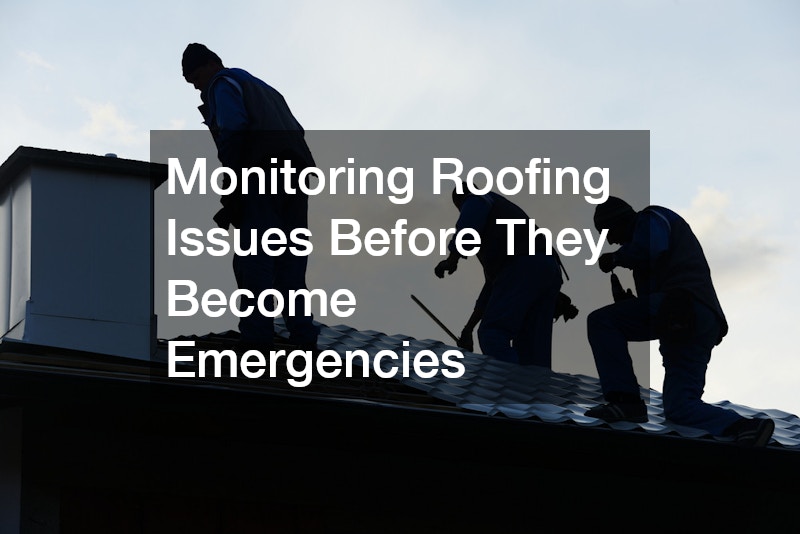
The roof serves as one of the most critical protective barriers for a home. It shields the interior from rain, wind, and extreme weather conditions. When roofing problems arise, homeowners must carefully evaluate whether the issue requires immediate attention or can be scheduled as part of routine maintenance. Leaks, missing shingles, or storm damage are examples of problems that may require urgent repair to prevent water intrusion and structural deterioration.
Consulting a local roofer can help homeowners determine the severity of roofing concerns and identify the most appropriate course of action. Professional inspections often reveal hidden issues such as damaged flashing or weakened underlayment that may not be visible from the ground. Addressing these concerns promptly helps prevent moisture from entering the home and causing damage to ceilings, insulation, and interior walls.
Routine roofing maintenance typically includes tasks such as clearing debris from gutters, inspecting shingles, and checking for signs of wear after seasonal weather changes. These preventive measures reduce the likelihood of emergency repairs and extend the lifespan of roofing materials. By maintaining a consistent inspection schedule, homeowners can identify minor issues before they escalate into significant problems.
Prioritizing roof maintenance also helps homeowners prepare for severe weather events. Reinforcing vulnerable areas and addressing small repairs before storms occur can reduce the risk of major damage. By combining routine inspections with timely professional support, homeowners can protect one of the most important structural components of their property.
Planning Relocation Repairs and Property Transitions
Home repairs often become part of the moving process when homeowners prepare to relocate or welcome new occupants. Some repairs must be completed quickly to ensure that the property is safe and functional during the transition. Others may be scheduled as routine improvements before or after the move. Evaluating these priorities helps homeowners maintain a smooth relocation experience.
Working with local movers may reveal additional maintenance considerations during the moving process. Large furniture or heavy equipment can place strain on flooring, staircases, and door frames. Identifying vulnerable areas before moving day allows homeowners to reinforce these spaces and prevent accidental damage during the relocation process.
Routine preparation may involve patching walls, adjusting door hinges, or reinforcing flooring in high-traffic areas. These tasks help maintain the overall condition of the home and make the moving experience more efficient. However, if structural damage or safety hazards are discovered during preparations, addressing them promptly becomes a higher priority.
By combining careful planning with timely repairs, homeowners can manage property transitions with greater confidence. A thoughtful approach to repairs ensures that the home remains safe and welcoming for both current residents and future occupants.
Maintaining Equipment and Workshop Systems
Many homeowners rely on mechanical equipment to complete maintenance tasks and household projects. Tools and workshop systems should be inspected regularly to determine whether repairs are necessary. Equipment failures can disrupt important tasks and create safety concerns if they occur unexpectedly.
Machines such as air compressors are commonly used for a variety of household maintenance activities, including powering tools and supporting small repair projects. Regular inspections help identify worn components, leaks, or mechanical issues that may affect performance. When equipment shows signs of malfunction, timely repairs can prevent further damage and ensure that tools operate safely.
Routine maintenance tasks often include cleaning filters, lubricating moving parts, and checking pressure gauges or electrical connections. These steps help maintain efficiency and reduce the likelihood of unexpected breakdowns. However, when mechanical failures affect safety or functionality, addressing them quickly becomes a higher priority.
Maintaining workshop equipment ensures that homeowners are prepared to handle various maintenance tasks throughout the year. By balancing routine care with prompt repairs, households can keep essential tools in reliable working condition.
Addressing Waste Management and Plumbing Systems

Waste management systems play a critical role in maintaining sanitation and comfort within a home. Problems with these systems can quickly escalate into urgent situations if they are not addressed promptly. Slow drainage, unpleasant odors, or backups may indicate that the system requires professional attention.
In some cases, homeowners may need septic pumping services to maintain proper system function. Septic systems rely on regular maintenance to prevent overflow and ensure that waste is processed effectively. Neglecting these systems can lead to environmental hazards and significant property damage.
Routine inspections help homeowners identify early signs of system strain or inefficiency. Monitoring water usage, checking drainage patterns, and scheduling periodic maintenance all contribute to reliable system performance. These preventive measures help reduce the likelihood of emergency repairs.
When warning signs appear, prompt action can prevent more serious complications. Addressing waste management concerns quickly helps maintain sanitation and protects the overall health of the property.
Managing Landscaping Hazards and Tree Stability
Trees contribute beauty and shade to residential properties, but they can also present potential hazards if they become unstable or damaged. Storms, disease, and age can weaken trees, making them vulnerable to falling branches or structural collapse. Determining whether a tree poses an immediate threat is an important step in prioritizing repairs.
Professional tree removal services can help homeowners evaluate the condition of trees and determine whether removal is necessary. Trees that lean significantly or show signs of internal decay may require prompt attention to prevent damage to nearby structures or power lines.
Routine landscaping maintenance may involve trimming branches, monitoring tree health, and removing dead limbs that could fall during storms. These preventive actions help maintain the safety and appearance of outdoor spaces. Regular inspections allow homeowners to address potential risks before they escalate.
Prioritizing tree maintenance ensures that landscaping remains both attractive and safe. By addressing hazards early and maintaining healthy growth patterns, homeowners can preserve the natural beauty of their property while reducing safety concerns.
Strengthening Structural Surfaces and Outdoor Features
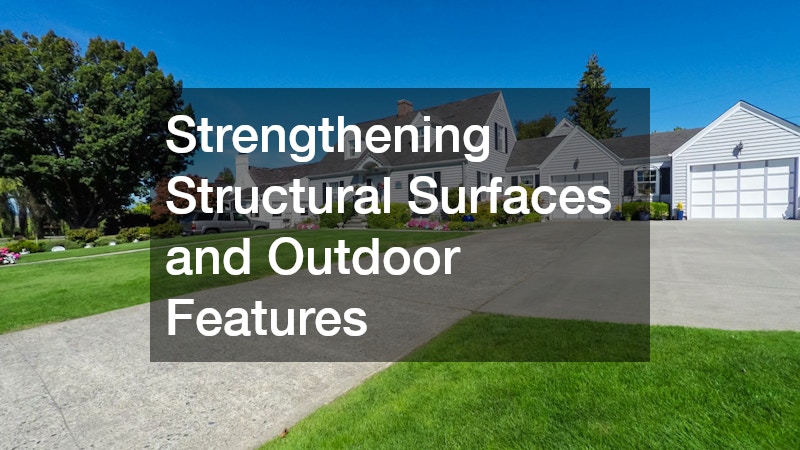
Masonry structures such as retaining walls, walkways, and decorative stone features add durability and aesthetic value to a property. However, exposure to weather and shifting soil conditions can cause cracks or structural instability over time. Determining whether these issues require urgent attention helps homeowners manage repair priorities effectively.
Access to reliable masonry supply resources is often essential when repairing or reinforcing these structures. Materials such as stone, brick, and mortar must be properly matched to existing construction in order to maintain structural integrity. Professional guidance can help ensure that repairs are performed correctly.
Routine maintenance may include sealing joints, cleaning surfaces, and replacing damaged sections. These tasks help preserve the strength and appearance of masonry features while preventing larger structural concerns. However, if walls begin to lean or collapse, immediate repairs may be necessary to restore safety.
By evaluating masonry structures regularly, homeowners can balance routine upkeep with prompt repairs. Maintaining these features supports both the visual appeal and long-term durability of the property.
Protecting Lower Levels From Structural Damage
Basements often serve as valuable living spaces or storage areas within a home. Because they are located below ground level, they can be particularly vulnerable to moisture infiltration and structural pressure from surrounding soil. Identifying potential issues early helps homeowners determine whether repairs should be treated as urgent or routine.
Consulting professional basement contractors may be necessary when signs of water damage or foundation movement appear. These specialists can assess structural conditions and recommend solutions such as waterproofing systems or drainage improvements. Addressing these concerns promptly helps prevent mold growth and structural deterioration.
Routine maintenance may include monitoring humidity levels, inspecting sump pumps, and sealing small cracks in walls or floors. These preventive measures help maintain a dry and stable basement environment. Regular inspections allow homeowners to detect changes before they become major concerns.
Protecting basement spaces ensures that the home remains structurally sound and comfortable. With consistent monitoring and timely professional assistance, homeowners can prevent small issues from developing into larger structural problems.
Preparing Homes for Severe Weather Protection
Weather events can place significant stress on residential structures, especially in regions prone to storms or high winds. Windows and exterior openings are particularly vulnerable during severe weather conditions. When damage occurs, homeowners must quickly determine whether repairs are urgent.
Working with an impact window company may help homeowners reinforce vulnerable areas of the home and improve resistance to storm damage. Impact-resistant windows are designed to withstand strong winds and debris, helping protect the interior from potential damage.
Routine preparation may involve inspecting window seals, checking frames for wear, and ensuring that protective barriers remain intact. These preventive measures reduce the risk of water infiltration and structural damage during storms. Regular inspections help homeowners stay prepared for changing weather conditions.
Prioritizing weather protection helps homeowners maintain a secure and resilient property. With proper planning and professional support, households can reduce the risks associated with severe weather events.
Maintaining Safe and Functional Entry Systems

Garage doors serve as both entry points and protective barriers for many homes. Because they operate frequently and rely on mechanical components, they require regular attention to maintain safe performance. When malfunctions occur, homeowners must determine whether the issue requires immediate repair.
Professional garage door repairs may be necessary when springs break, cables become loose, or automatic systems stop functioning properly. These problems can affect both security and safety, making prompt attention essential in many cases. Technicians can inspect the system and restore proper operation.
Routine maintenance may include lubricating moving parts, checking alignment, and inspecting sensors for proper function. These simple tasks help extend the lifespan of the door and reduce the likelihood of unexpected failures. Regular attention ensures that the system operates smoothly throughout the year.
Maintaining garage doors supports both convenience and security. By balancing preventive care with prompt repairs when necessary, homeowners can keep this essential entry system functioning reliably.
Managing home repairs effectively requires a thoughtful balance between addressing urgent concerns and scheduling routine maintenance. Some issues demand immediate attention to protect safety and structural stability, while others can be resolved through careful planning and regular upkeep. By learning to evaluate the severity of different problems, homeowners can develop a clear strategy for maintaining their property.